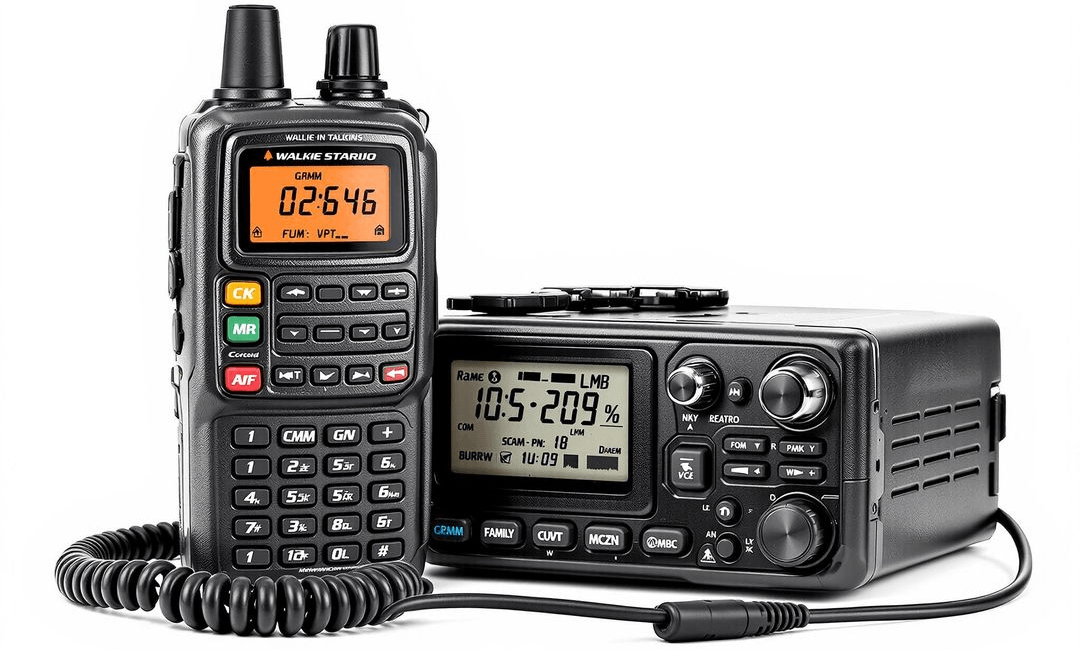
When the power goes out, staying connected becomes essential for safety, coordination, and accessing important information. Without the internet or phone service, walkie-talkies and radios become vital tools—they operate independently of the electrical grid and cell towers.
Choosing the Right Equipment
Start by selecting the right type of device for your needs.
Walkie-Talkies (Two-Way Radios):
These are perfect for short-range communication, typically a few miles depending on your surroundings. For households, small groups, or neighborhoods, consumer-grade models usually get the job done. Look for features like:
Multiple channels and privacy codes
Weather resistance
Reputable brands like Motorola, Midland, or Cobra
For extended range and better performance, consider GMRS (General Mobile Radio Service) radios. These require a license but offer more power and broader coverage than standard walkie-talkies.
Ham Radios (Amateur Radios):
If you need to communicate over longer distances or want to connect with regional emergency networks, ham radios are your best bet. While they do require a license to operate legally, they give you access to a wide range of frequencies and the ability to reach out to other licensed operators—even across state lines.
Building a Reliable Communication Plan
If you’re preparing for extended outages or natural disasters, investing in a ham radio and securing a license can be a game-changer. Combined with a set of reliable walkie-talkies, you’ll have a well-rounded communication setup that keeps you and your loved ones connected when it matters most.
Maximizing Your Communication Capabilities
In addition to choosing your devices, it’s crucial to ensure they are always ready for use. Always carry spare batteries, invest in portable chargers, and, if possible, have a solar-powered battery backup. Regularly test your equipment and practice using it with your family or community members to iron out any potential issues before a real emergency arises.
Optimizing Device Settings and Usage
Setting your devices to the correct frequencies, familiarizing yourself with privacy settings, and understanding the range limitations can make all the difference during an outage. For instance, GMRS radios and ham radios can offer enhanced communication, but they work best when users are well-versed in adjusting power levels and antenna configurations. Taking a short course or attending a local workshop can boost your confidence and proficiency, ensuring that every member of your household knows how to operate the equipment efficiently.
Developing an Actionable Communication Strategy
A well-thought-out communication plan includes predefined meeting spots, backup communication methods, and clear roles for each person involved. Map out both primary and secondary routes for communication so that if one channel fails, the other can be utilized without delay. This strategy not only minimizes confusion but also enhances safety by ensuring that everyone is informed of any sudden changes in plans.
Staying Informed with Reliable Sources
Beyond personal devices, having access to a battery-powered, hand-crank, or solar radio can keep you updated on local emergency broadcasts and weather advisories. These devices complement your walkie-talkies or ham radios, ensuring you receive timely updates even if personal communication lines are congested or down entirely. This integrated approach to emergency preparedness helps bridge any gaps that might occur during prolonged outages.
Becoming an Active Participant in Your Community
Establish connections with neighbors and local emergency services to expand the scope of your communication network. Community training sessions and local preparedness groups provide an excellent opportunity to learn and share insights, ensuring that you are not only equipped with the necessary tools but also with practical knowledge and support. This proactive engagement is the cornerstone of effective disaster readiness and resilience.
Remember to subscribe for more expert advice on emergency preparedness and communication strategies, ensuring that you remain well-informed and ready for any situation. By staying connected and prepared, you empower yourself and your community to respond effectively when emergencies arise.